Tools & working records
Use your own inputs. Inspect assumptions. Export the result.
Understand the method
 01 / PlanningStart with the ownership question
Define what your deck ownership scenario includes before comparing totals.
02 / PlanningBuild a cost inventory you can traceTurn quotes, receipts, and allowances into consistent ownership inputs.
 03 / Care assumptionsBuilding a deck maintenance cost schedule
Keep recurring allowances and irregular work distinct without inventing a universal schedule.
Choose the ownership question before changing assumptions
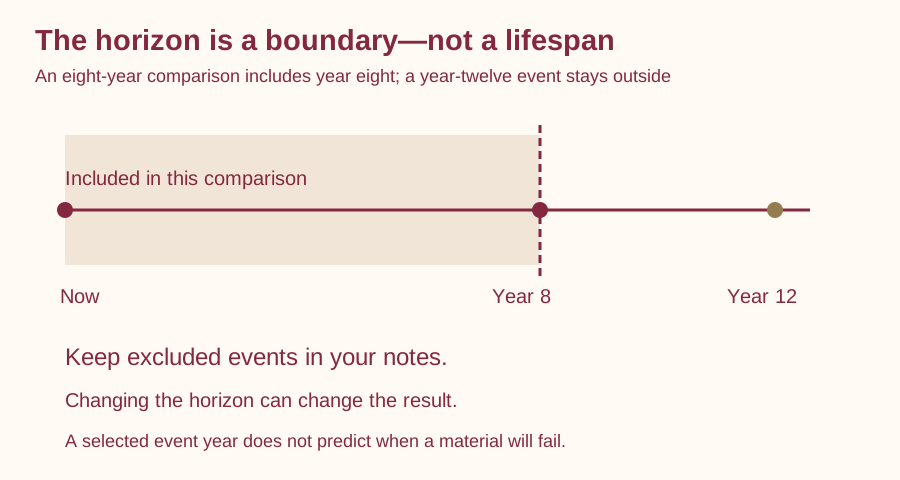
The lifecycle tools compare the consequences of your assumptions over a chosen study period. They do not predict an individual deck's service life. Keep material choice, appearance preference, care schedule and replacement assumptions visible so a comparison can be understood and repeated.
Include the entire replacement event
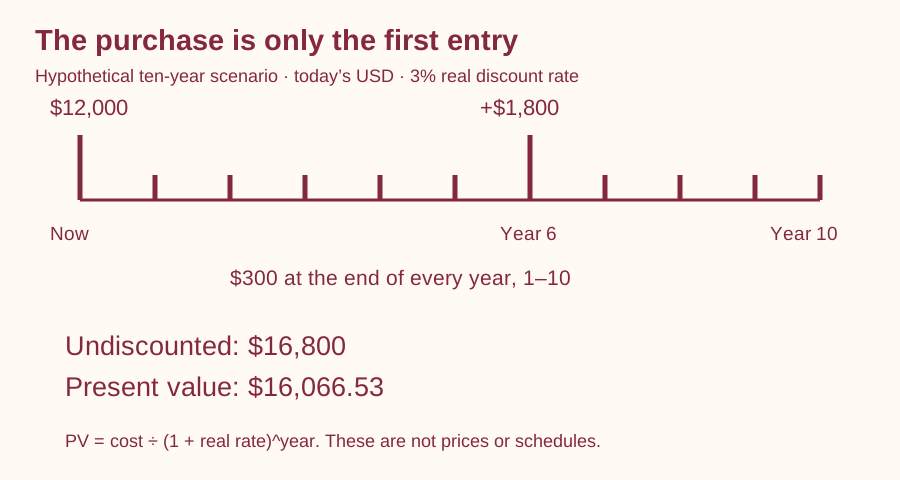
A replacement assumption should account for teardown, disposal, new material and rebuilding labor within the model's stated scope. Record separately whether the supporting structure is retained or included. Changing only the board purchase price can understate the event you intend to compare.
Read cash, present value and labor separately
Cash total follows the modeled payments. Present value applies the chosen discounting assumption. Labor hours describe time and should not be confused with a cash price unless the model explicitly values them. Compare scenarios using the same study horizon and scope.
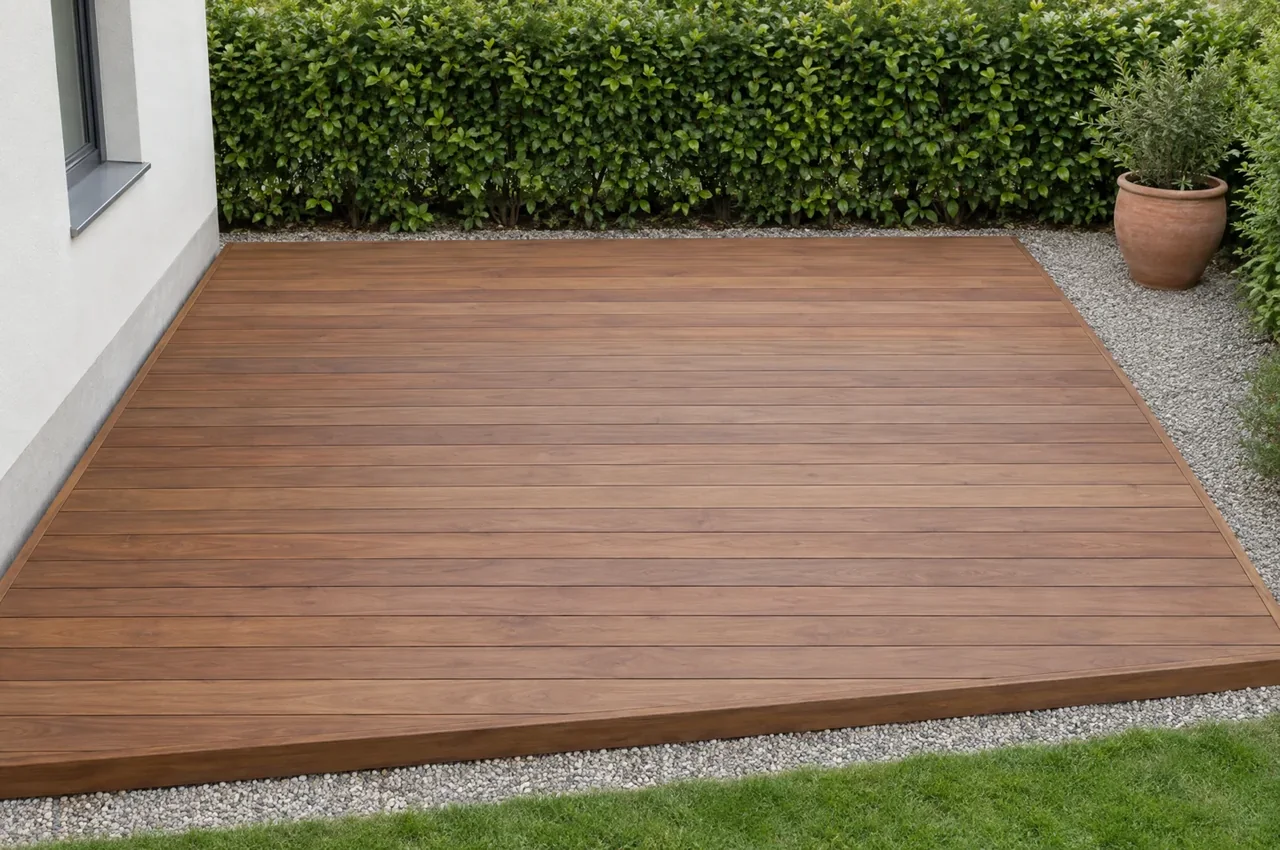
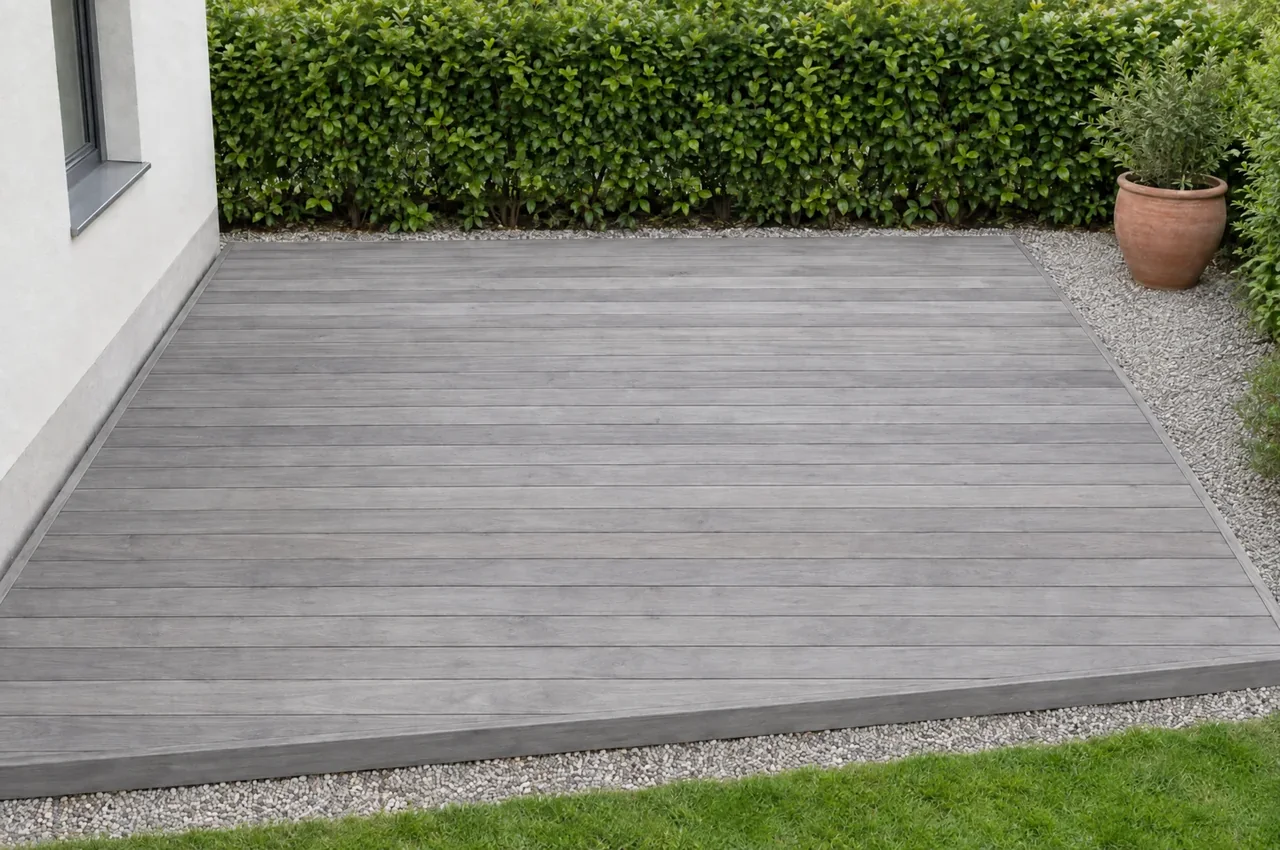
Example: natural weathering versus maintained color
Compare two Ipe ownership scenarios with the same deck and replacement assumptions, changing only the appearance-care schedule. The difference then reflects that care choice. It does not establish an observed aging timeline or a guaranteed service life of up to 75 years.