Field guides
Find a focused answer and follow the next useful decision.
Build the ownership scenario before comparing totals
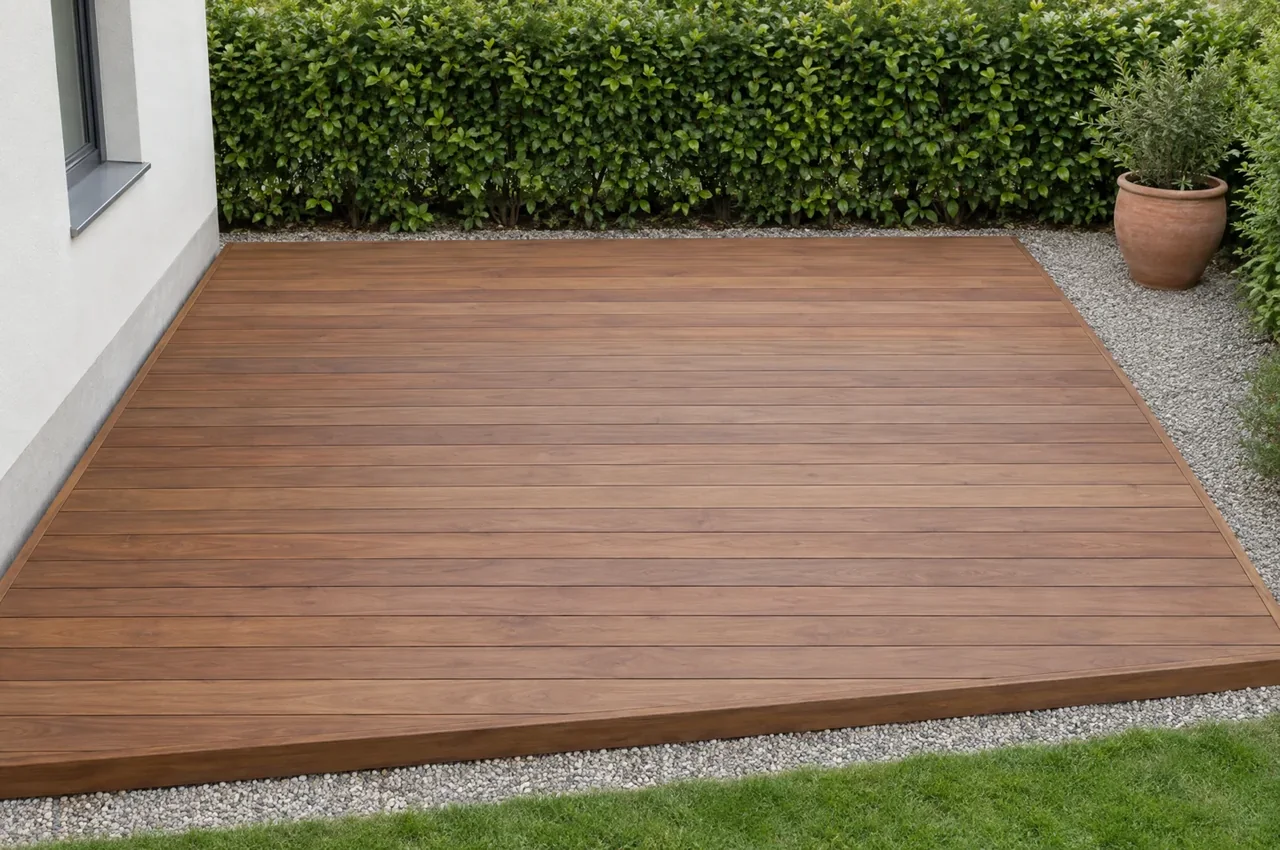
Record the purchase scope, care events, labor and possible replacement work over your chosen study period. Keep appearance preferences separate from service-life assumptions. The visuals locate the work; the event schedule and your inputs determine the modeled cash and hours.
Planning
01 / PlanningStart with the ownership questionDefine what your deck ownership scenario includes before comparing totals.
02 / PlanningBuild a cost inventory you can traceTurn quotes, receipts, and allowances into consistent ownership inputs.
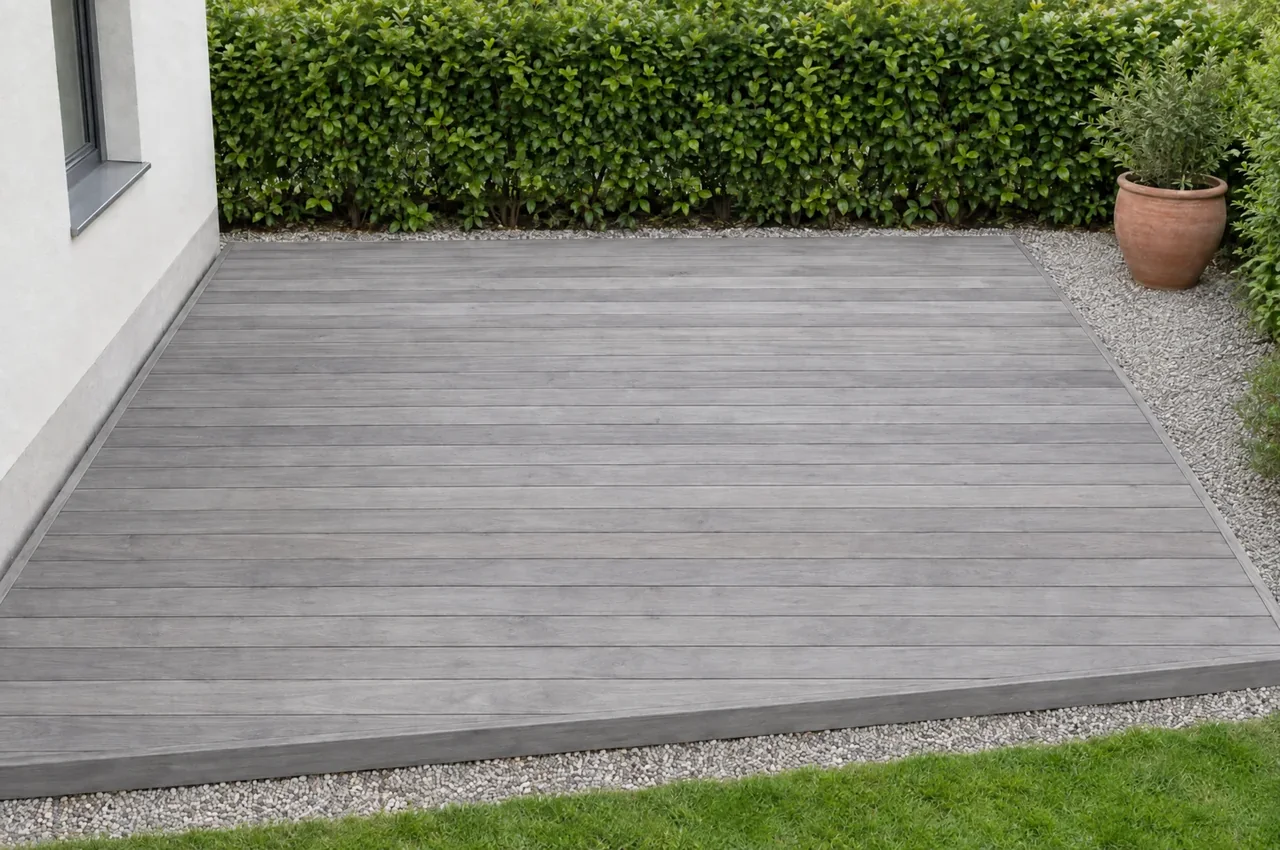 03 / PlanningChoose an ownership horizon deliberately
Define the period being compared without implying how long a deck will last.
04 / PlanningKeep a record that improves the next comparisonPreserve assumptions and actual spending so updates remain understandable.
Care assumptions
01 / Care assumptionsBuilding a deck maintenance cost scheduleKeep recurring allowances and irregular work distinct without inventing a universal schedule.
02 / Care assumptionsKeep DIY hours visible beside cashCompare owner effort and paid spending without treating unpaid time as a contractor bill.
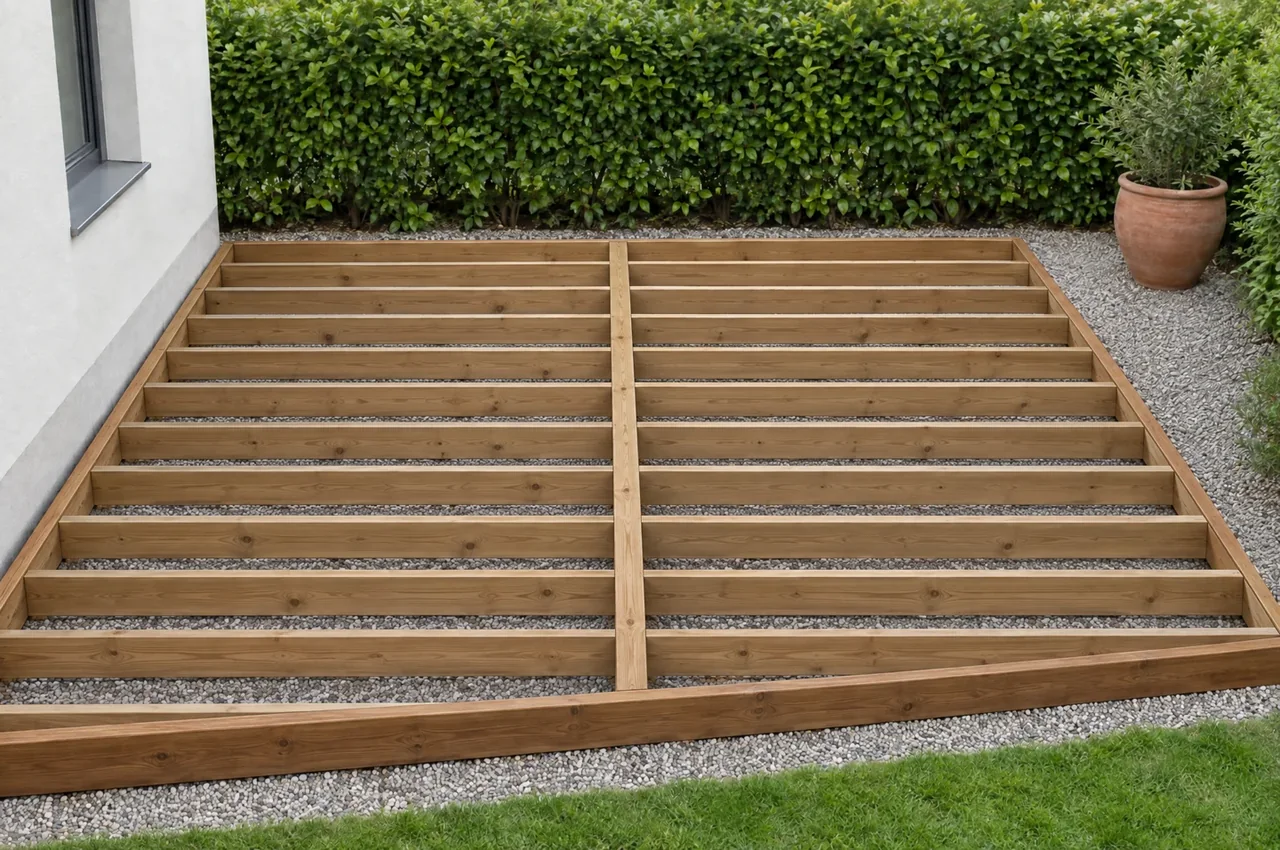 03 / Care assumptionsModeling deck repair, removal and replacement costs
Use a dated allowance without turning uncertainty into a lifespan claim.
Method
Comparisons
01 / ComparisonsCompare two scenarios on equal termsMake the cost difference interpretable by holding scope and conventions steady.
02 / ComparisonsTesting the assumptions in a deck lifecycle estimateTest uncertain inputs systematically and identify what deserves better evidence.
03 / ComparisonsDiscuss break-even without promising savingsUnderstand when an initial premium may be offset under your stated assumptions.
04 / ComparisonsRun a transparent thirty-year comparisonCompare long ownership scenarios without turning thirty years into a lifespan promise.
Material scenarios
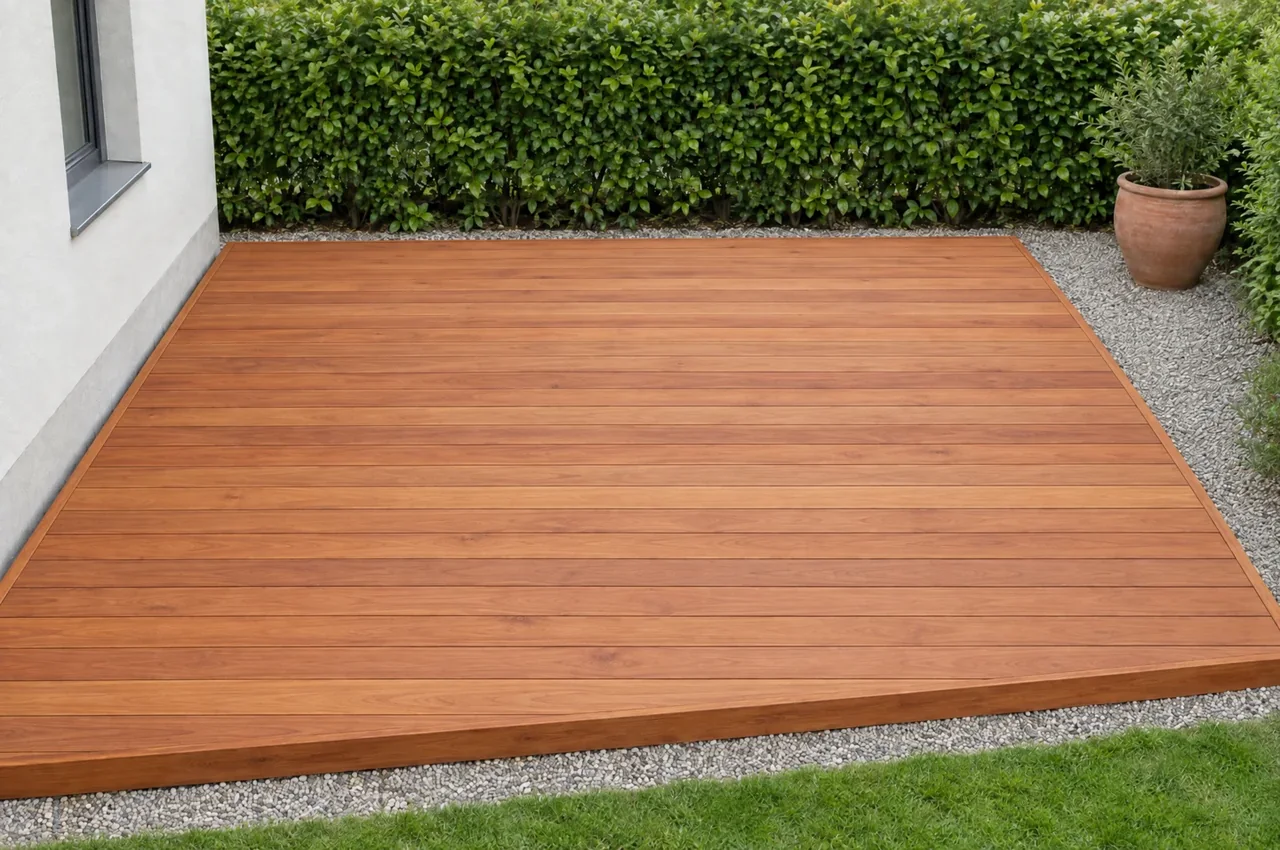 01 / Material scenariosBuild a pressure-treated wood ownership scenario
Separate treatment, appearance care, and possible board work when planning costs.
02 / Material scenariosPrice the cedar appearance plan you actually wantCompare cedar care choices while keeping labor and possible restoration visible.
03 / Material scenariosMake a redwood finish plan part of the comparisonTrack finish choice, restoration scope, and retained records before assigning future costs.
04 / Material scenariosModel a specific tropical hardwood care planKeep species, finish history, service scope, and replacement logistics separate.
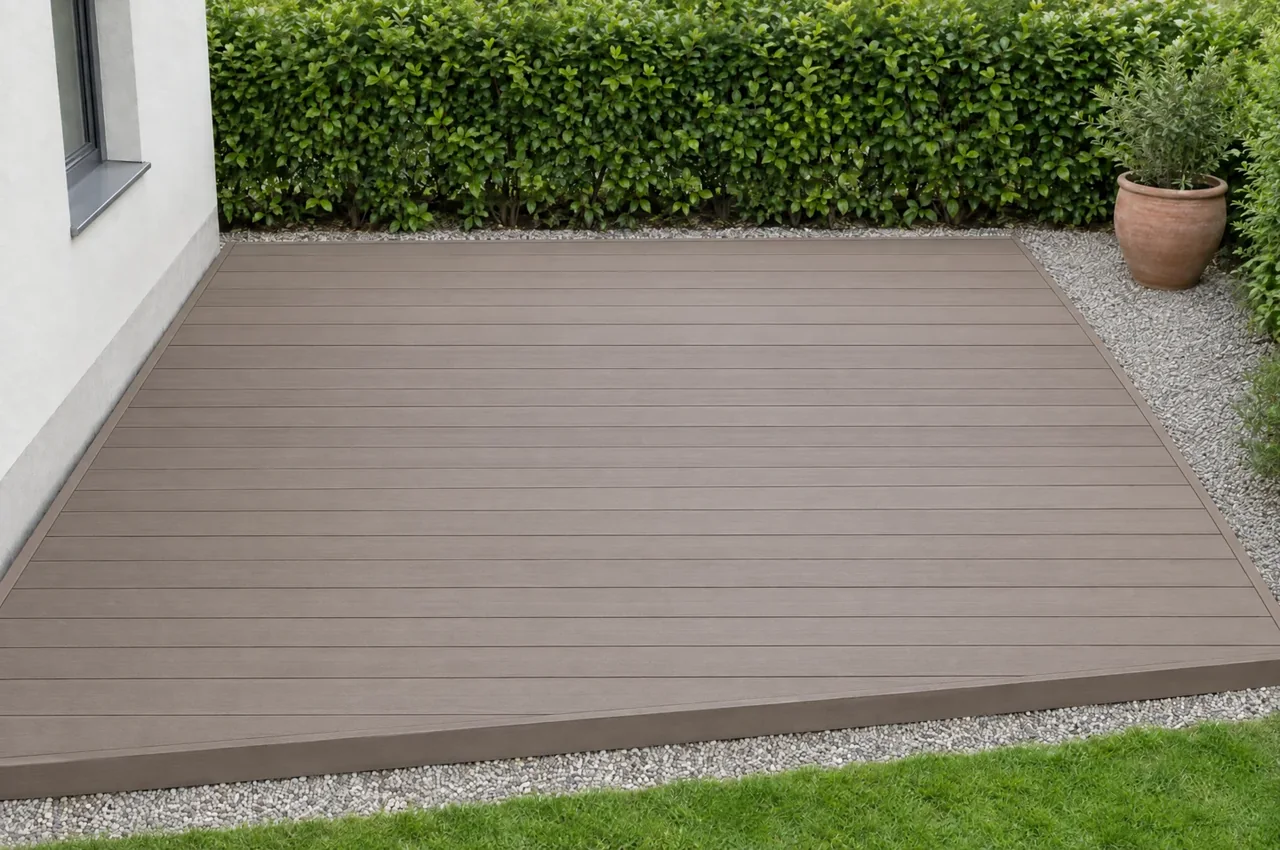 05 / Material scenariosBuild a composite scenario beyond the purchase quote
Account for product-specific cleaning and a defined repair allowance without assuming zero maintenance.
06 / Material scenariosKeep PVC surface care and whole-deck costs visibleUse the actual PVC product's cleaning guidance and separate structural or accessory expenses.
 07 / Material scenariosDistinguish modified-wood products before modeling
Keep treatment process, finish choice, and product-specific care assumptions explicit.